
Top 5 Facts About the Maldives
The Maldives, an island nation in the Indian Ocean, is famous for its white sand beaches, coral islands and crystal clear waters. Made up of a double chain of 26 atolls, it has 1,200 islands and sand bars, of which only 200 are inhabited islands. These islands with their low-lying landscape and white sands are a tropical dream for travellers and also hold geographical, cultural and environmental significance. Here are five interesting facts that make the Maldives one of the most fascinating destinations in the world. If you are planning a Maldives tour, you will be amazed by the combination of nature and tradition this country offers.
Contents
1. Asia’s Smallest and Flattest Country
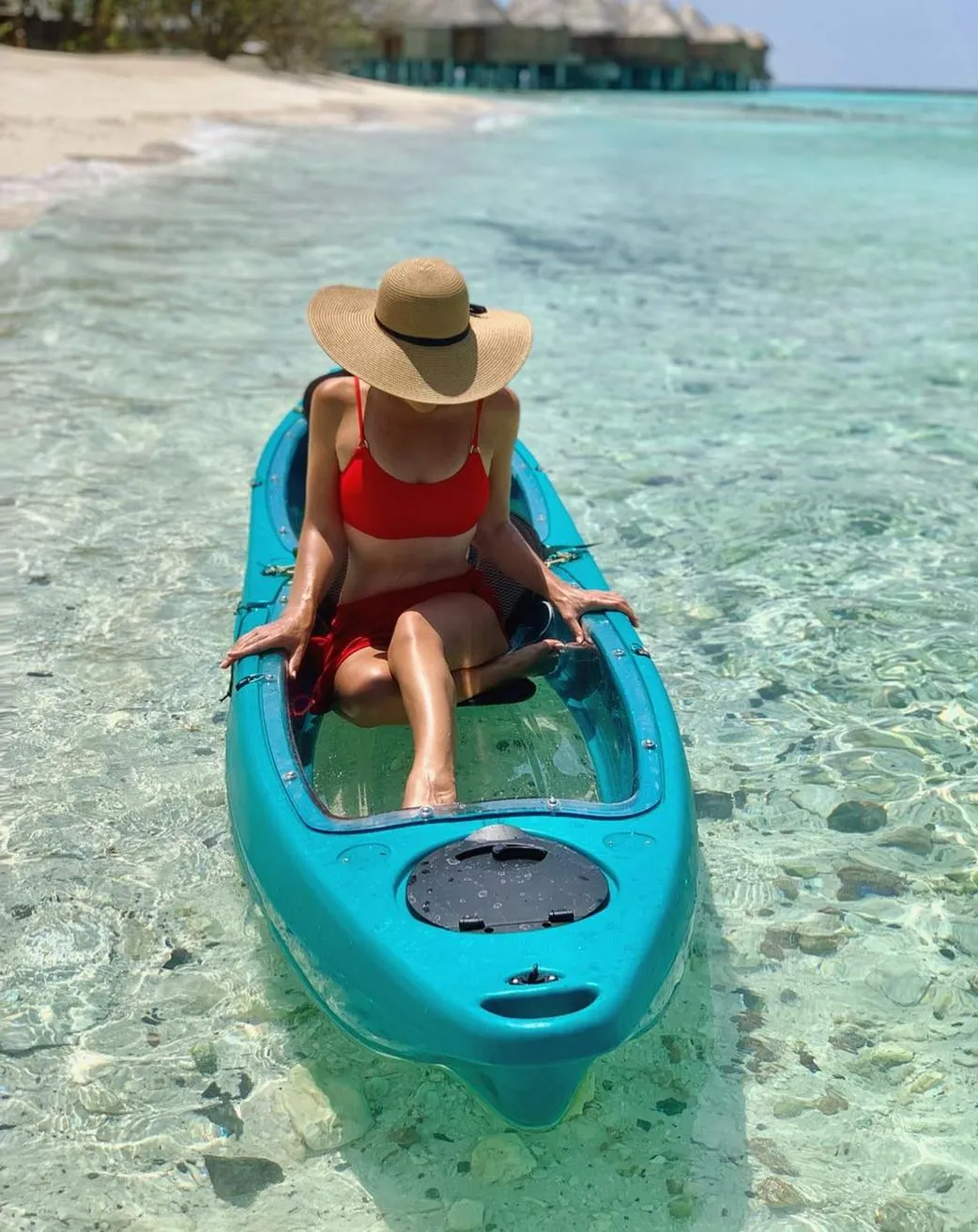
The Maldives is the smallest and flattest country in Asia, a characteristic that defines much of its geography and climate challenges. With an average altitude of 1.5 meters, it is officially the lowest country in the world. This makes it very vulnerable to rising sea levels. Despite this, the Maldives has vast territorial waters and coral islands that stretch across the ocean like pearls.
The capital city Malé is one of the most populated cities by density and is the hub of the country’s administrative divisions. Although small, Malé plays a big role in managing national infrastructure, education and healthcare. It is also the center for political leadership under the country’s constitutional monarchy system which coexists with ongoing democratic reforms. For those interested in culture and history, many Maldives tours include guided visits to Malé’s historical mosques, museums and markets.
If you are planning a longer itinerary, nearby tour destinations like Sri Lanka and southern India offer rich cultural experiences that go well with a tropical escape to the Maldives.
2. Nation at Risk from Climate Change
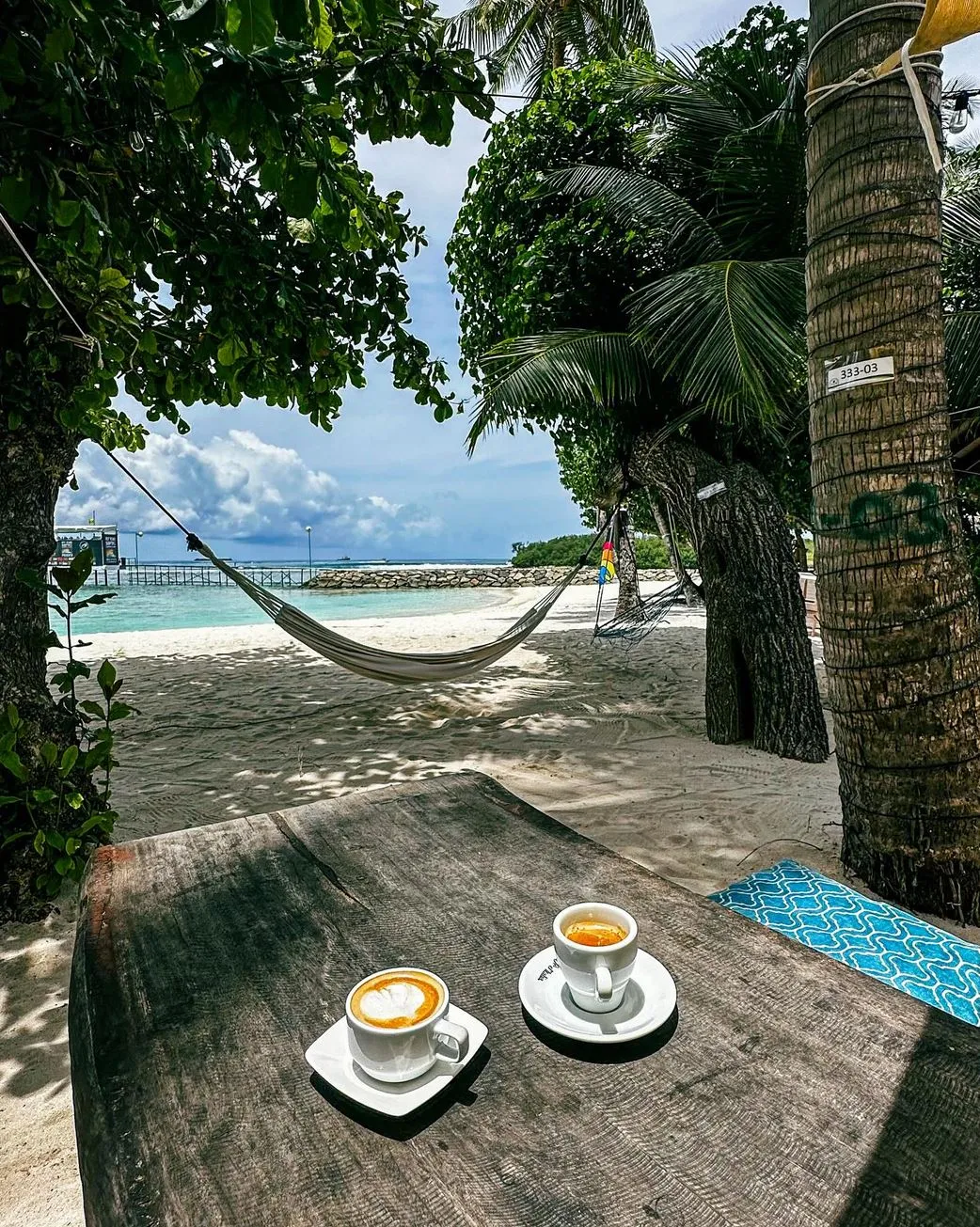
Due to its low lying islands, the Maldives is at the forefront of climate change. Many islands act as a natural barrier against the rising sea but are susceptible to coastal erosion and flooding. Scientists and conservationists see the Maldives as a key area to monitor the long term impacts of environmental changes.
The Maldivian government has responded by implementing sustainability initiatives and adapting land for environmental preservation. Artificial islands, sea walls and elevated structures are being used for administrative purposes and tourism development. There is a big emphasis on protecting the coral reefs which provide a natural buffer and host an abundance of marine life.Many Maldives tours now include eco friendly resorts with sustainability programs, reef cleanups and educational tours.
3. Tourism & Economy

Tourism is the biggest contributor to the Maldives’ income. Travelers from around the world come to its white sand beaches, coconut palm fringed shores and overwater bungalows. The country’s appeal is not just in its natural beauty but in its hospitality and exclusivity. Resorts are often on private islands, offering unparalleled privacy and stunning views of the Indian Ocean.
The northeast monsoon, also known as the winter northeastern, brings dry weather and calm seas, making November to April the best time to visit. During this period you can dive, snorkel and enjoy bioluminescent beaches. The white sands of the Maldives are the whitest in the world.
In addition to tourism, foreign workers support the service and construction industries. Labour is drawn from nearby countries to sustain the Maldives’ economic engine.
When you book a Maldives tour package you can choose from romantic getaways, luxury escapes or budget-friendly adventures. Each Maldives tour package gives you access to island resorts, curated excursions and local experiences. Companies like Autopia Tours even offer customized itineraries that combine the Maldives with other exotic destinations.
4. Marine Life & Water Adventures
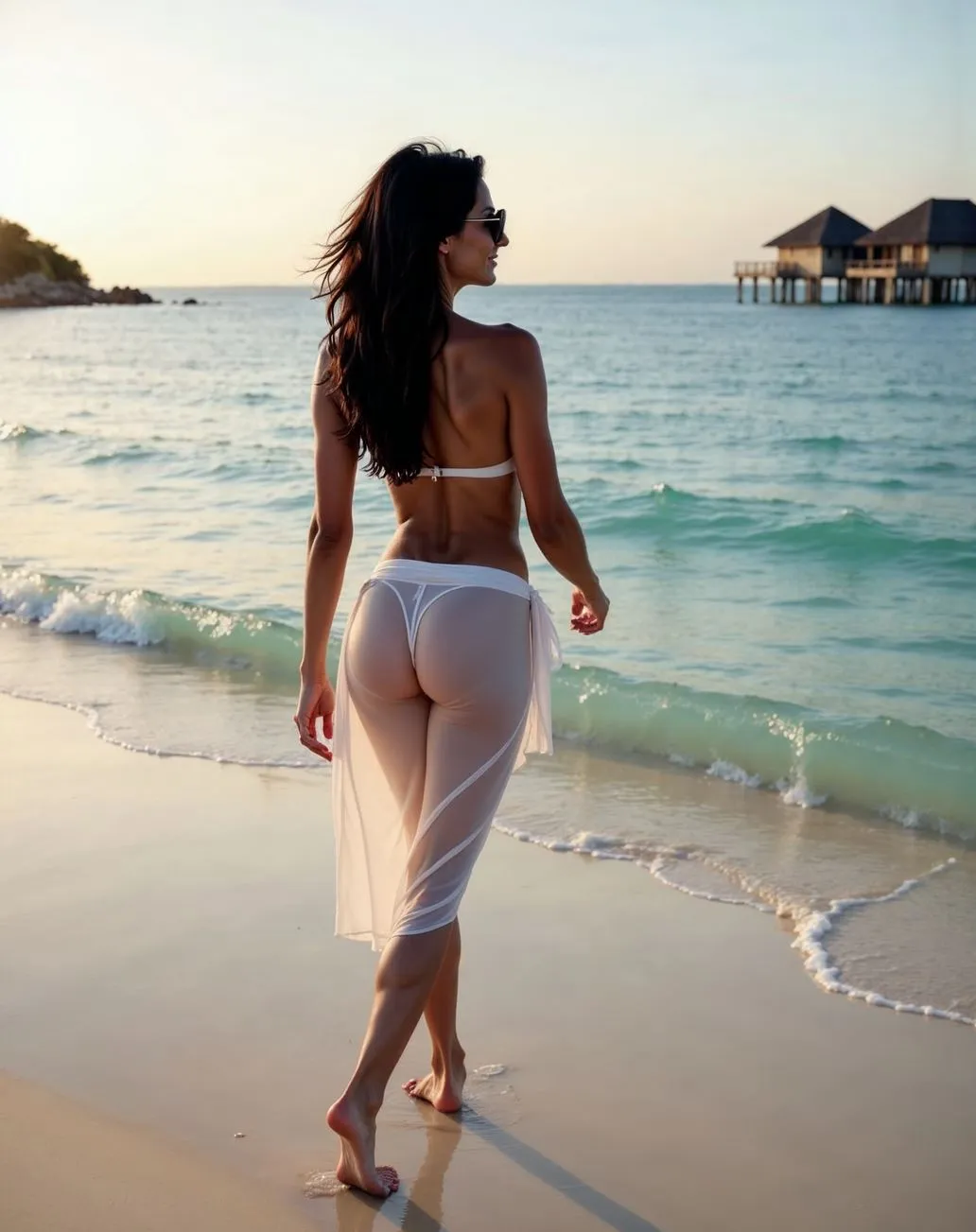
The Maldives is famous for its marine life and has some of the best snorkelling and diving spots in the world. Its coral reefs are an underwater haven for manta rays, whale sharks, sea turtles and countless colourful fish. The reefs are also important for biological diversity and act as a barrier for the islands.
One of the most iconic sights is the bioluminescent beach on Vaadhoo Island where tiny organisms called dinoflagellates glow under the moonlight, lighting up the waves and shore. This natural phenomenon is unique to a few locations around the world.
Each resort island has a PADI certified dive centre so underwater exploration is available for both beginners and experts. The Maldives’ coral ecosystems are also studied for its role in global ecological balance and environmental resilience.
Many maldives travel packages include water activities such as guided snorkeling tours, night diving excursions and private boat trips to sand bars where you can experience the serenity of isolated white sand beaches.
5. Deep Roots in History and Culture
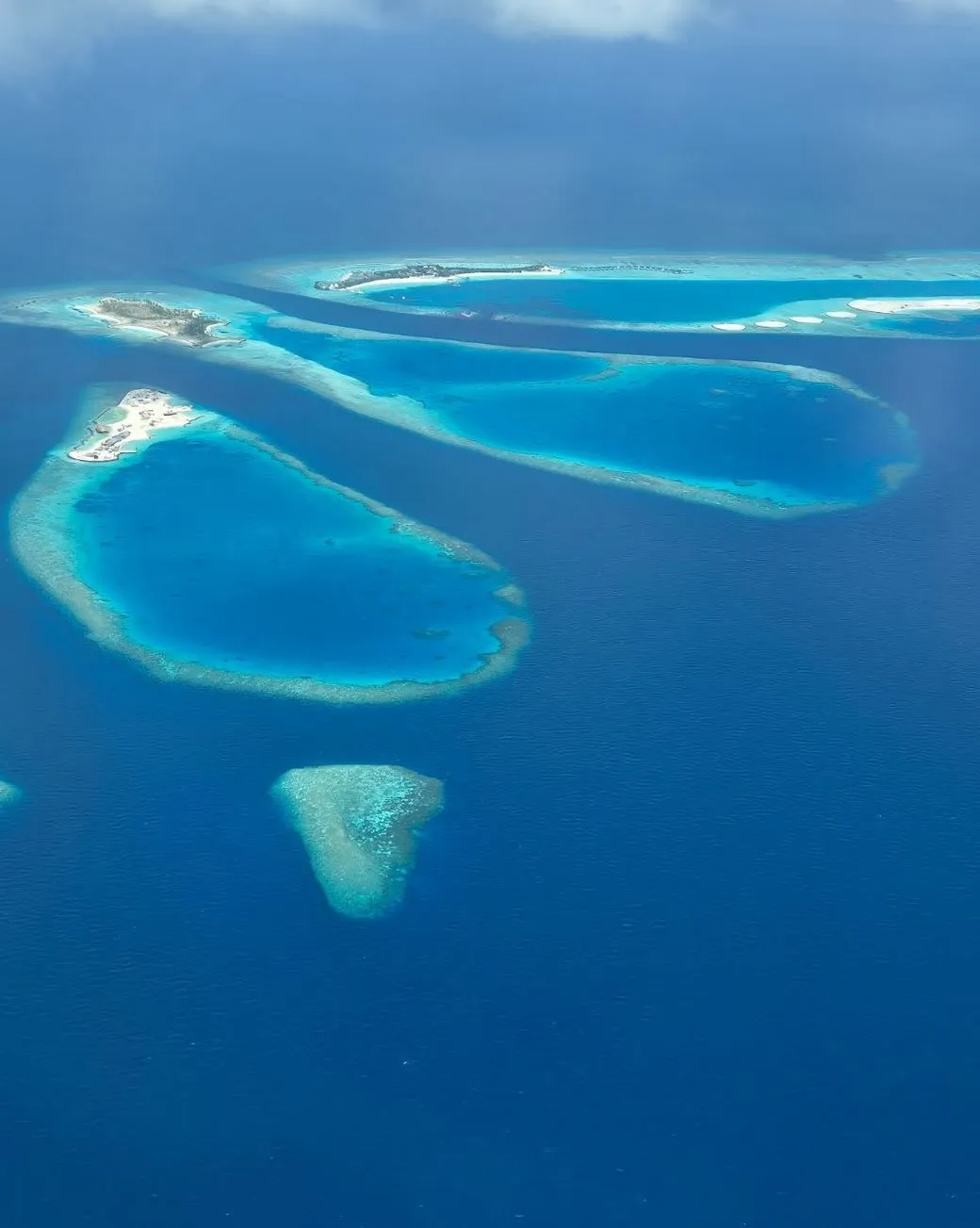
The Maldives has a long history and culture. Indigenous people lived on the islands before recorded time and their traditions still influence Maldivian life today. The national language is Dhivehi, a language from ancient scripts and unique to the region. It is the official and national language.
Islam is the official religion and the dominant religion in the country. It was adopted in the 12th century and plays a big role in daily life, governance and cultural customs. The Maldivian flag has a white crescent symbolizing Islam and a green background with a red border.
Cultural values are passed down through generations and preserved in history books and folklore. Local crafts, music, dance and cuisine reflects centuries of trade with Arabia, Africa, India and Southeast Asia. The coconut tree or coconut palm is the national tree and an important symbol in Maldivian life – used for food, tools and building materials.
The biggest island in the Maldives is Gan in Addu Atoll which serves multiple purposes – tourism, residency and administrative functions. It shows how even the more developed islands are managed sustainably and functionally.
Travellers interested in culture and heritage can find Maldives travel packages that include island hopping, cultural village tours and traditional cooking classes. For those continuing their journey, Dubai or Singapore can be a convenient stopover.
Conclusion
From its stunning natural beauty to its ancient history, the Maldives is one of the most amazing places on earth. Whether you’re looking for tranquility, adventure or a glimpse into a rich cultural past, this island paradise has it all. Booking a well designed Maldives travel package is the best way to experience it all in comfort.
FAQ
When is the best time to visit Maldives?
November to April is the best time to visit, dry season also known as winter northeastern or northeast monsoon. This is the most stable weather, clear skies and perfect sea conditions.
Do I need a visa to travel to Maldives?
Most travellers get a free 30 day visa upon arrival if they have a valid passport, return ticket and proof of accommodation. Immigration policies are very straightforward for tourists.
Is Maldives safe for tourists?
Yes, Maldives is very safe for tourists. Resorts have strict security standards, and the government ensures stability throughout the island nation, especially on inhabited islands.
What currency is used in Maldives?
Local currency is Maldivian Rufiyaa (MVR). But US dollar is widely accepted in resorts and most tourist areas. Rate may vary, so best to check with local banks or resorts upon arrival.
Can I drink alcohol in the Maldives?
Alcohol is available in licensed resorts, hotels and liveaboards catering to tourists. Not allowed on inhabited islands or to be brought in through customs. Consumption is regulated for cultural and religious reasons.